


#1 Trusted Shock Collars, Bark Collars & Dog Training E-Collars in Australia


GPS Fence Systems
-
F820 GPS Wireless Dog Fence Collar
Regular price From $199.95 AUDRegular price$289.95 AUDSale price From $199.95 AUDSale -
PET23S Handheld 2-in-1 Wireless GPS Dog Fence 2000m 1-3 Dogs
Regular price From $209.95 AUDRegular price$309.95 AUDSale price From $209.95 AUDSale




Trending Now
-
Petrainer PET001 Smart Auto Anti Bark E-Collar S-M-L Dogs
Regular price $99.95 AUDRegular price$149.95 AUDSale price $99.95 AUDSale -
Petrainer PET012 Advanced Auto Anti Bark E-Collar S-M-L Dogs
Regular price $109.95 AUDRegular price$159.95 AUDSale price $109.95 AUDSale -
Petrainer PET241 Advanced Auto Anti Bark E-Collar S-M-L Dogs
Regular price $119.95 AUDRegular price$169.95 AUDSale price $119.95 AUDSale -
Petrainer PET657 Advanced Auto Anti Bark E-Collar S-M-L Dogs
Regular price $129.95 AUDRegular price$179.95 AUDSale price $129.95 AUDSale -
RS1 Remote Dog Training E-Collar 350m for 1-2 Dogs
Regular price From $139.95 AUDRegular price$239.95 AUDSale price From $139.95 AUDSale -
RS2 Remote Dog Training E-Collar 1000m for 1-2 Dogs
Regular price From $169.95 AUDRegular price$269.95 AUDSale price From $169.95 AUDSale -
RS3 Remote Dog Training E-Collar 1200m for 1-2 Dogs
Regular price From $189.95 AUDRegular price$289.95 AUDSale price From $189.95 AUDSale -
RS5 Remote Dog Training E-Collar 1250m for 1-2 Dogs
Regular price From $209.95 AUDRegular price$309.95 AUDSale price From $209.95 AUDSale -
Elite Remote Dog Training E-Collar 900m 1-2 Dogs T30 Rechargeable & IPX7 Waterproof
Regular price From $219.95 AUDRegular price$319.95 AUDSale price From $219.95 AUDSale -
Elite Remote Dog Training E-Collar 900m 1-2 Dogs T50 Rechargeable & IPX7 Waterproof
Regular price From $249.95 AUDRegular price$349.95 AUDSale price From $249.95 AUDSale -
Elite Remote Dog Training E-Collar 1050m 1-2 Dogs T60 Rechargeable & IPX7 Waterproof
Regular price From $279.95 AUDRegular price$379.95 AUDSale price From $279.95 AUDSale -
Elite Remote Dog Training E-Collar 1250m 1-2 Dogs T70 Rechargeable & IPX7 Waterproof
Regular price From $309.95 AUDRegular price$409.95 AUDSale price From $309.95 AUDSale


E-Collar Technologies
-
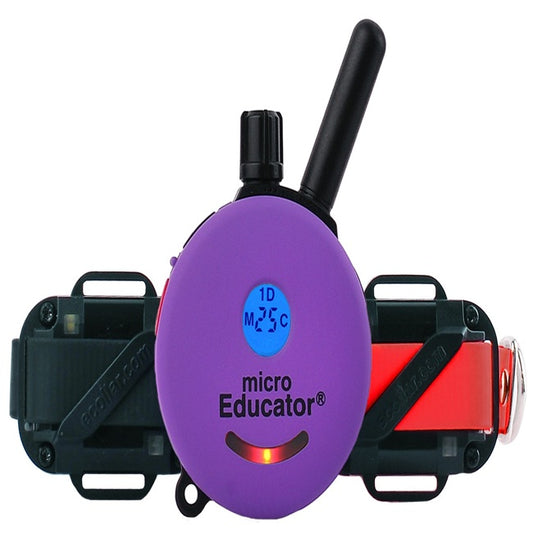
ME-300 "MICRO" EDUCATOR® 535m Remote E-Collar 2 Dogs
Vendor:BARKAHOLICS®Regular price $624.95 AUDRegular price$724.95 AUDSale price $624.95 AUDSale -
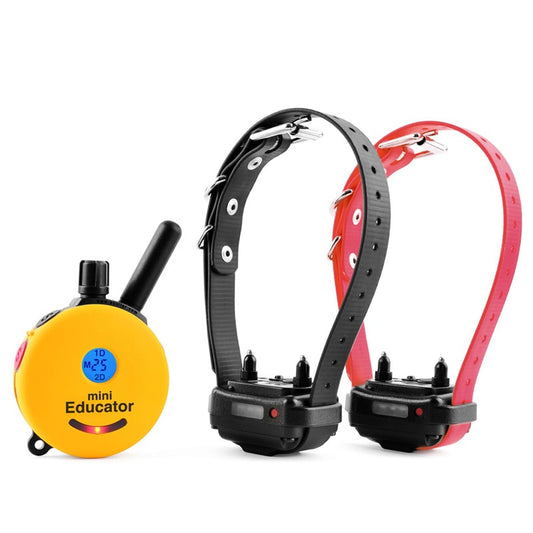
ET-300 "MINI" EDUCATOR® 800m Remote E-Collar 2 Dogs
Vendor:BARKAHOLICS®Regular price $639.95 AUDRegular price$739.95 AUDSale price $639.95 AUDSale -
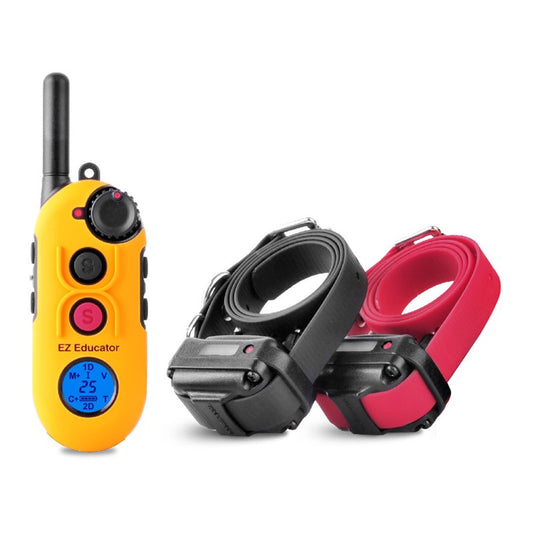
EZ-900 "EASY" EDUCATOR® 800m Remote E-Collar 2-4 Dogs
Vendor:BARKAHOLICS®Regular price From $654.95 AUDRegular price$754.95 AUDSale price From $654.95 AUDSale -
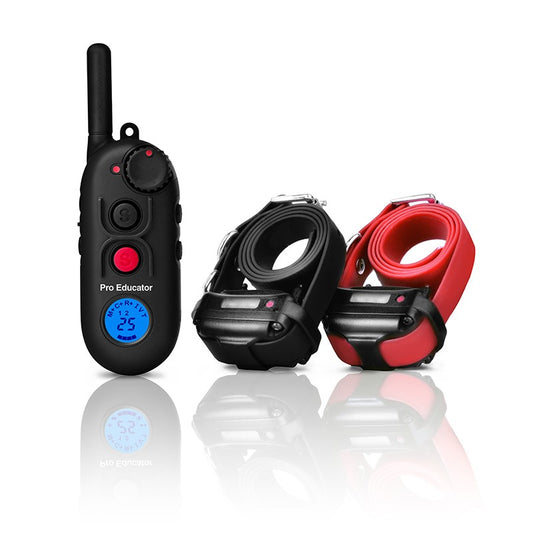
PE-900 "PRO" EDUCATOR® 800m Remote E-Collar 2-3 Dogs
Vendor:BARKAHOLICS®Regular price From $674.95 AUDRegular price$774.95 AUDSale price From $674.95 AUDSale -
ET-800 "BOSS" EDUCATOR® 1610m Remote E-Collar 2 Dogs
Vendor:BARKAHOLICS®Regular price $844.95 AUDRegular price$944.95 AUDSale price $844.95 AUDSale -
K9-400 K9 HANDLER TACTICAL 1207m Remote E-Collar 2 Dogs
Vendor:BARKAHOLICS®Regular price $884.95 AUDRegular price$984.95 AUDSale price $884.95 AUDSale


Our Collections
-

Bark Control Systems
Auto Anti Bark E-Collar Systems Training your dog to reduce nuisance barking...
-

2-in-1 E-Collar Systems
Experience total control with our 2-in-1 E-Collar Systems for Dogs at BARKAHOLICS® —...
-

Remote E-Collar Systems
BARKAHOLICS® Remote E-Collar Systems are a valuable tool for pet owners who...
-

E-Collar Fence Systems
E-Collar Fence Systems for Dogs Discover the future of pet safety with...


Shop Our Most Popular Dog Training Solutions
E-Collar FAQ

No. Modern e‑collars are designed to deliver mild, adjustable stimulation — more like a tap or jolt than a shock. Similar to a TENS machine. The goal is to get your dog’s attention, not cause pain.
Because many people misuse them. When used as punishment or at high levels, they can cause fear and confusion. Responsible use focuses on reinforcing commands, not intimidation.
Yes, as long as the collar fits properly and you use the lowest effective setting. Lightweight receivers and adjustable straps make them suitable for smaller breeds.
- Reliable recall, even at long distances
- Safer off‑lead adventures
- Clearer communication between dog and owner
- Options for tone and vibration modes without static stimulation
❓ Are there alternatives to shock collars?
Yes — positive reinforcement methods like treats, clickers, and praise are widely used. Many trainers combine these with e‑collars for balanced, humane training.
✅ Key Takeaway:
E-collars are tools, not shortcuts. Used responsibly, they can improve communication and safety while keeping training humane and effective.
E-Collars for Dogs
- Beep Mode: Audible cue, no vibration
- Vibration Mode: Gentle buzz, no static stimulation
- Safe Static Stimulation
📏 How to Fit Your E‑Collar
- Position the collar snugly below the jawline, not lower on the neck.
- Ensure you can fit two fingers between the collar and your dog’s neck.
More than two = too loose
Less than two = too tight
- Prongs should rest on the skin (not pressing hard, not buried in fur).
🐕 How to Use Your E‑Collar
Step One: Check Settings
- Start with the lowest noticeable level — enough for your dog to feel, but never painful.
- Gradually adjust until you find the right working level.
Step Two: Begin Recall Training
- Call your dog using your recall phrase (e.g., “Come”).
- Press the activation button at the same time.
- Release the button once your dog returns to you.
- Your dog learns: stimulation stops when I obey.
Step Three: Increase Distance
- Gradually extend the distance of recall.
- Over time, your dog will associate the vibration or beep with returning to you, even without hearing your voice.
⚡ Safety Note: Modern e-collars include shock overload protection to ensure safe use.
🛋 Furniture Example
Want your dog off the couch?
- Give the “Down” command.
- Add a light stimulation from the collar.
- Release the button once your dog complies.
- The dog learns: command + stimulation = action → stimulation stops.
✅ Key Takeaway
E‑Collars are not punishment devices — they’re communication tools. Used correctly, they help dogs form clear associations between commands and actions, making training safer, more effective, and more reliable outdoors or at home.
Understanding E-Collars
The term “shock collar” is misleading — a modern e‑collar is not designed to shock your dog. At most, the stimulation feels like a mild jolt like a TENS machine: it may startle, but it should never cause pain. You don’t need to use the static stimulation unless it’s appropriate for the situation.
⚠️ Important: Using overly high levels on smaller dog breeds can be uncomfortable or even frightening. Always select the lowest effective setting to keep training safe and humane.
🚫 Misconceptions About E‑Collars
One of the biggest misunderstandings is that e‑collars are meant for punishment. They are not. The stimulation is intended to reinforce commands, not to correct or intimidate. Using an e‑collar as punishment falls under positive punishment training — a method that adds discomfort to stop behaviour. This approach is discouraged and not recommended.
🤔 Why Do Shock Collars Have a Bad Reputation?
Shock collars gained a poor reputation because many people misused them — treating them as a shortcut to force obedience. When used incorrectly, the jolt becomes unpleasant rather than instructional.
But when used properly, e‑collars are a communication tool. Even highly trained dogs can become distracted, and an e‑collar provides a reliable way to regain their focus and keep them safe.
🐶 Can E‑Collars Be Used for Small Dogs?
Yes — as long as the collar fits comfortably. The lightweight receiver and adjustable strap make modern e‑collars suitable for small breeds. Just ensure you’re using the appropriate stimulation level and following best practices for safe training.
✅ Key Takeaway
E‑collars are not punishment devices. They’re tools for reinforcing commands, improving communication, and keeping dogs safe when used responsibly.
Beginner's Guide to E-Collars
1. Understand the Purpose
E‑collars are not punishment devices — they’re communication tools. Used correctly, they help reinforce commands, improve recall, and correct unwanted behaviours safely.
2. Start with Familiarisation
- Let your dog wear the collar without activation for a few days.
- This helps them get comfortable and prevents negative associations.
3. Begin at the Lowest Level
- Always start with the lowest stimulation setting.
- Gradually increase only if your dog doesn’t respond.
- Many dogs respond well to vibration or tone alone.
4. Pair Corrections with Commands
- Give a clear verbal cue before using the collar.
- Example: say “Come” → press tone → reward when they return.
- This builds consistency and helps your dog understand the link between action and correction.
5. Keep Training Sessions Short
- Limit sessions to 10–15 minutes.
- End on a positive note with praise, play, or treats.
- Short, consistent training is more effective than long, stressful sessions.
6. Focus on Specific Behaviours
E‑collars are especially useful for:
- Barking control
- Recall training (coming when called)
- Stopping chasing, digging, or jumping
- Reinforcing lead manners
7. Safety & Comfort First
- Ensure the collar fits snugly but not tightly.
- Rotate collar position daily to avoid irritation.
- Never use the e‑collar as punishment — it’s a tool for guidance.
✅ Key Takeaway
When combined with clear commands, consistency, and positive reinforcement, e‑collars can help dogs learn faster, stay safer, and build stronger bonds with their owners.
E-Collar Dog Training Tips
1. Start with the Basics
- Introduce the e‑collar gradually so your dog associates it with training, not punishment.
- Begin with low stimulation levels and only increase if necessary.
2. Pair with Commands
- Always give a verbal cue or hand signal before using the collar.
- This helps your dog connect the correction with the behaviour, rather than feeling confused.
3. Use Multiple Modes
- Most e‑collars offer tone, vibration, and static stimulation.
- Start with tone or vibration for mild corrections; reserve static stimulation for persistent behaviours.
4. Focus on Timing
- Deliver corrections immediately after the unwanted behaviour.
- Precision timing reinforces learning and prevents mixed signals.
5. Keep Sessions Short & Positive
- Limit training to 10–15 minutes to avoid stress.
- End sessions with praise, play, or treats to build positive associations.
6. Train for Specific Behaviours
Common uses include:
- Barking control
- Recall training (coming when called)
- Stopping chasing, digging, or jumping
- Always tailor stimulation levels to your dog’s temperament.
7. Safety First
- Ensure proper collar fit: snug but not tight.
- Rotate collar position daily to avoid skin irritation.
Never use the e‑collar as punishment — it’s a communication tool.
✅ Key Takeaway
E‑collars are most effective when combined with clear commands, consistency, and positive reinforcement. They should be used to guide and communicate, not to intimidate.
E-Collar Dog Training Terms
🎯 Training Marker
A marker is a signal used to mark good behaviour at the exact moment it happens.
- Example: a clicker sound or the tone setting on an e‑collar.
- Purpose: lets the dog know “Yes, that’s what I wanted!” before the reward arrives.
🔄 Reinforcement
Reinforcement means increasing the likelihood of a behaviour happening again.
- If you like what your dog did, reinforcement helps them repeat it.
➕ Positive Reinforcement
“Positive” means adding something to encourage behaviour.
- Example: giving a treat when your dog sits on command.
- Result: the dog learns sitting = reward.
➖ Negative Reinforcement
“Negative” means taking something away to encourage behaviour.
- Example: stopping the vibration on an e‑collar once your dog comes when called.
- Result: the dog learns responding quickly = discomfort goes away.
🚫 Aversives
An aversive is something unpleasant used to stop unwanted behaviour.
- Example: bitter apple spray to stop chewing, or a water spray to stop barking.
➕ Positive Punishment
Adding something unpleasant to decrease unwanted behaviour.
- Example: spraying water when a dog jumps on guests.
- Note: “positive” here means added, not good.
➖ Negative Punishment
Taking away something the dog enjoys to reduce unwanted behaviour.
- Example: ending playtime when the dog gets too rough.
🧠 Conditioning
Conditioning is how dogs learn through repetition and association.
-
Classical Conditioning (Associative Learning):
Involuntary responses formed by association.
Example: Pavlov’s dogs drooling when they heard a bell because they associated it with food. -
Operant Conditioning (Learning by Consequences):
Voluntary behaviours shaped by rewards or outcomes.
Example: dog sits → gets a treat (reward). Dog pulls on prong collar → feels pressure (consequence).
✅ Key Takeaway
Dog training terms can sound technical, but they all boil down to how dogs learn through signals, reinforcement, and consequences. Understanding these concepts helps you use tools like e‑collars more effectively and humanely.
Reward Based Reinforcement
Training your dog should be about building trust, communication, and consistency. One of the most effective ways to achieve this is through reward‑based reinforcement — using treats, praise, or signals to encourage behaviours you want to see again.
🔑 What Does Reinforcement Mean?
Reinforcement simply means strengthening a behaviour so your dog is more likely to repeat it.
- Positive Reinforcement: Adding something pleasant (like a treat or praise) to encourage behaviour.
-
Negative Reinforcement: Removing something unpleasant (like stopping a vibration) to encourage behaviour.
👉 Remember: positive means addition, negative means subtraction — not “good” or “bad.”
🍖 How to Use Treats Effectively
- Immediate Reward: Give the treat right after the desired behaviour so your dog makes the connection.
- Consistency: Reinforce the same behaviour every time during early training.
- Gradual Reduction: Once the behaviour is learned, reduce treat frequency and replace with praise or play.
🐕 Example: Teaching a Dog Trick
Suppose you’re teaching your dog to jump a hurdle:
- Each time they successfully jump, reward with a treat.
- This is positive reinforcement because you’re adding something (the treat) to encourage the jump.
- Over time, your dog learns that jumping = reward.
- This creates a clear communication loop: beep → treat → repeat behaviour.
⚠️ Important Training Tip
Use different settings for different training types:
- Recall training → one tone
- Boundary training → another tone or vibration
- Trick training → clicker or beep
Using the same signal for multiple behaviours can confuse your dog. Clear, consistent cues make learning faster and more reliable.
✅ Key Takeaway
Reward‑based reinforcement is about adding positive experiences to shape behaviour. Whether it’s a treat, a beep, or praise, the goal is to make your dog eager to repeat the action — turning training into a fun, rewarding experience for both of you.